When your pup shreds up a cushion to create confetti, you already know that a bored dog will find its own sense of fun! The good news is that food is not a part of enrichment toys for dogs. Whether you're looking for a hard-core chew toy or a rowdy game of tug, there's no lack of brain and body exercises available for your best friend to enjoy. We'll explore what makes a favourite, how to select them, and how to keep play time safe.
What Are Non-Food Enrichment Toys for Dogs?
Non-food enrichment toys keep your dog busy without the use of food. These canine enrichment toys are designed to engage in natural behaviours such as chewing, tugging, chasing, and exploring.
Perfect for dogs that have a special diet or are on a weight-gain diet plan.
Ideal for families that want to store treats away from the play area.
A great addition to food enrichment, not a substitute.
Easy to move, so your dog is sure to have new tasks to do.
What Are the Best Types of Non-Food Enrichment Toys for Dogs?
Understand that every dog has a definition of fun and choose the one that's right for your dog. From cuddle buddies to run-and-chase toys, here are our favourites.
Durable Chew Toys
Dogs explore and settle themselves by chewing. Find chew toys made from suitable materials that are firm enough for your dog, such as rubber or nylon chews. They are an excellent choice for determined chewers and teething puppies. Remember that no toy is truly indestructible, so check each one regularly and retire it once it's cracked, splintered, or worn down.
Rope and Tug Toys
Tug is a great bonding experience and is best suited for social, playful dogs that enjoy having a partner. Look for a carefully woven rope, use a gentle pull, and stop the game when your dog becomes too excited. Replace any rope that begins to fray, as loose strands may be ingested.
Plush and Squeaky Toys
Some dogs are cuddle bugs, and a soft plush toy can become their comfort object. Squeakers are great for dogs that enjoy a little noise. These toys are best suited for gentle players; determined shredders can rip out stuffing and squeakers in no time. If the toy begins to fall apart, take it away.
Flirt Poles and Chase Toys
A flirt pole is a toy attached to a rope and pole, a bit like a cat wand for dogs. It lets your pup chase and pounce on a moving toy while you control its movement.
Keep sessions short and let your dog catch the toy now and then so the game stays fun.
Play on grass or non-slip flooring to protect your dog's joints.
Let your dog warm up first, and finish with a calm cool-down.
DIY Enrichment Activities for Dogs
It doesn't have to be expensive to keep your dog busy. Try these activities:
Cardboard box shred-fest: Let your dog tear up an empty, tape-free box while you supervise.
Towel roll puzzle: Roll a favourite toy inside a towel for your dog to unroll. Supervise closely and remove the towel if your dog starts chewing or swallowing the fabric.
Sniff walks: Let your dog lead the way and investigate interesting smells.
How Do Non-Food Toys Provide Mental Stimulation for Dogs?
Mental stimulation toys for dogs help engage a clever mind that enjoys solving problems. Here's how different types of play stimulate your pup's thinking.
Sniffing and Searching
Scent-based hide-and-seek games and sniff walks put your dog's nose to work. Following a trail and discovering something interesting provides the brain with a rewarding challenge.
Chasing and Pouncing
Flirt poles encourage quick decisions, good timing, and coordination. Your dog must track the moving toy and respond to changes in direction, turning each chase into a mini challenge.
Unrolling and Shredding
Dogs can work out how to access a toy using towel rolls and cardboard boxes. These activities encourage them to explore and solve problems using their paws, mouths, and patience. Always supervise to prevent swallowing fabric, cardboard, or other materials.
Chewing and Settling
An appropriate chew provides your dog with a focused, calming activity. It's a great way to help your dog settle after an action-packed day or a busy walk.
Rotating Toys
Toys that are changed frequently can feel new and exciting. This novelty helps keep your dog interested and curious, making playtime more enjoyable.
How to Choose the Best Enrichment Toys for Dogs in Canada
When you know your dog's personality, shopping for dog enrichment toys in Canada becomes much simpler. Does your dog chew, chase, or cuddle? The best enrichment toys for dogs depend on what your dog enjoys. Here's a quick reference guide.
Toy Type
Great For
Keep an Eye On
Durable chew toys
Strong chewers and teething puppies
Cracks, splinters, and worn edges
Rope and tug toys
Social, playful dogs
Frayed strands
Plush and squeaky toys
Gentle players and cuddlers
Loose stuffing or exposed squeakers
Flirt poles
High-energy chasers
Slippery floors and overly long sessions
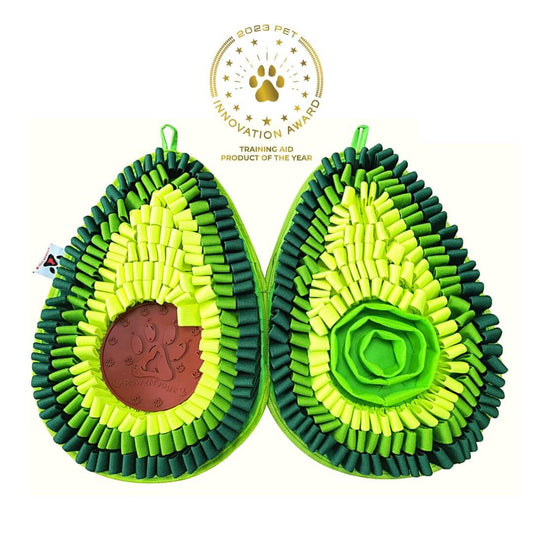
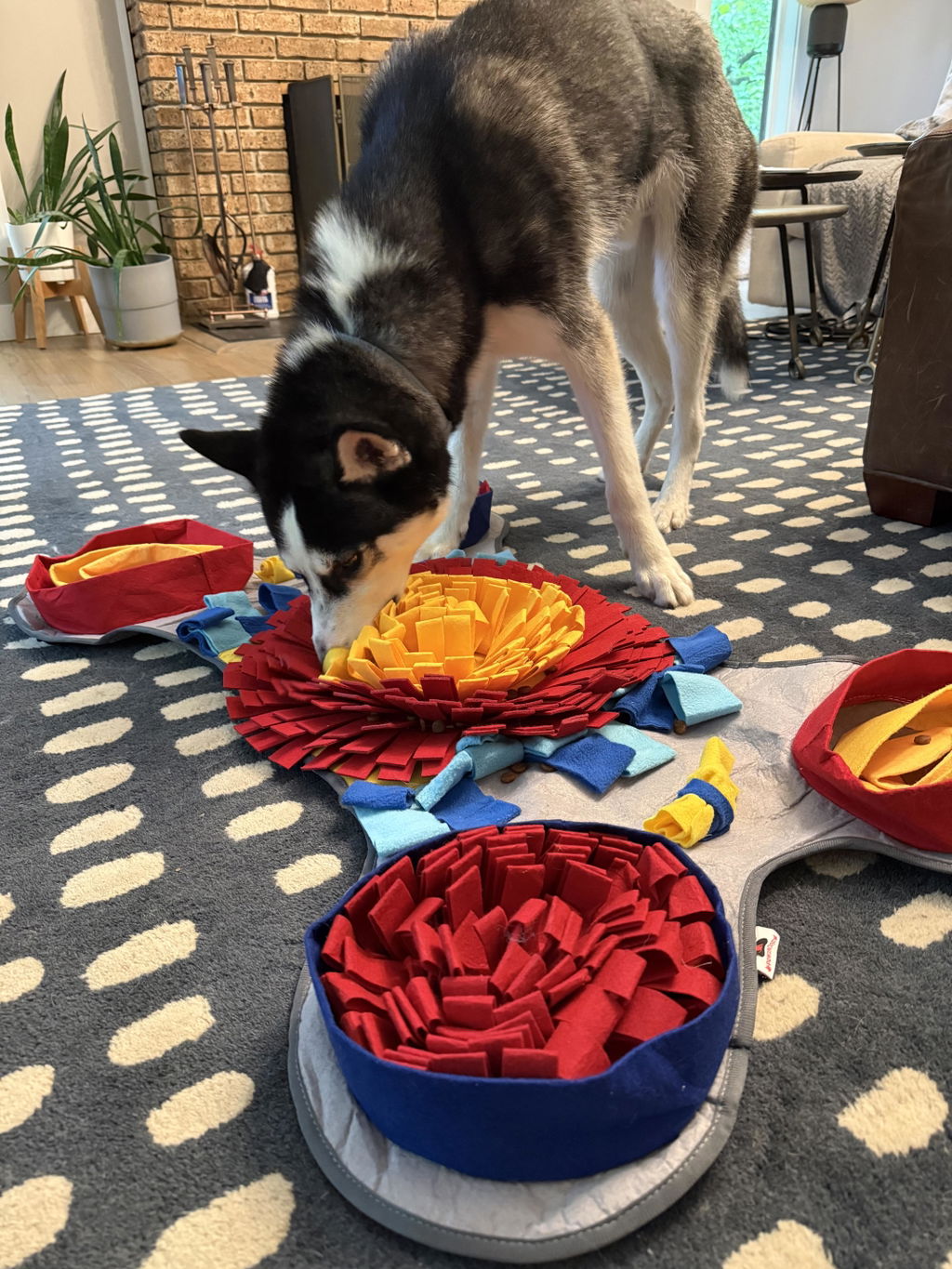
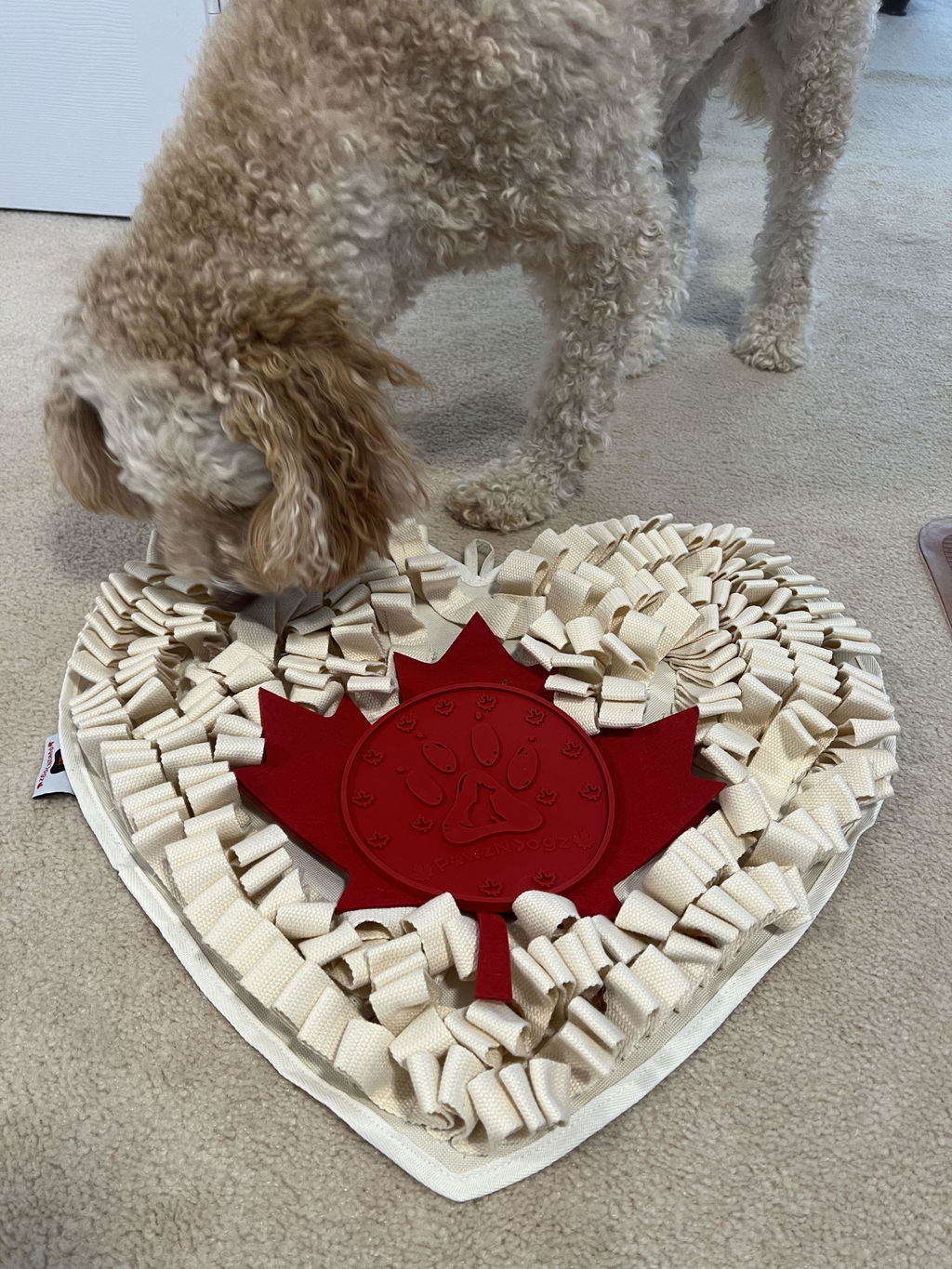
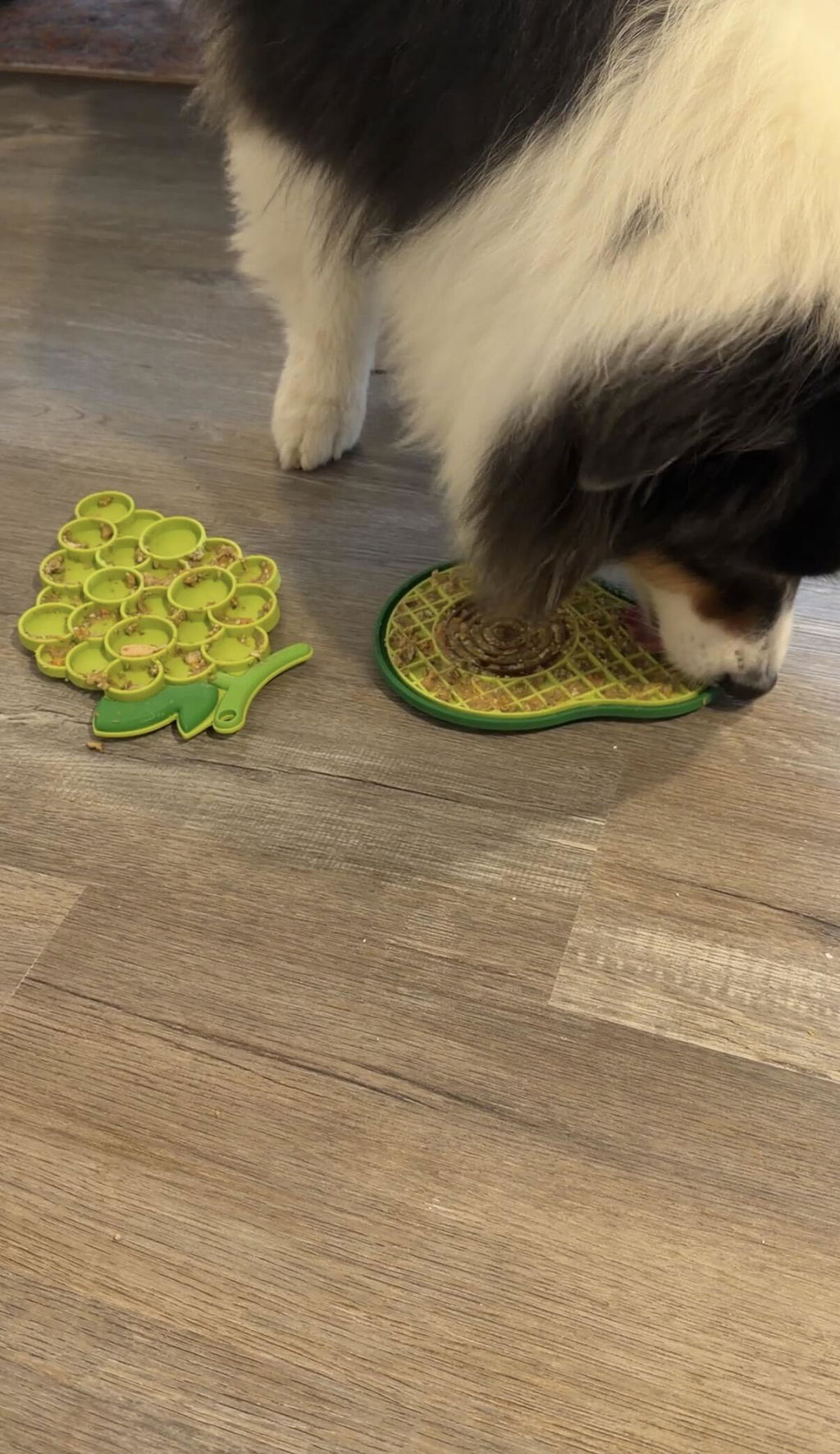
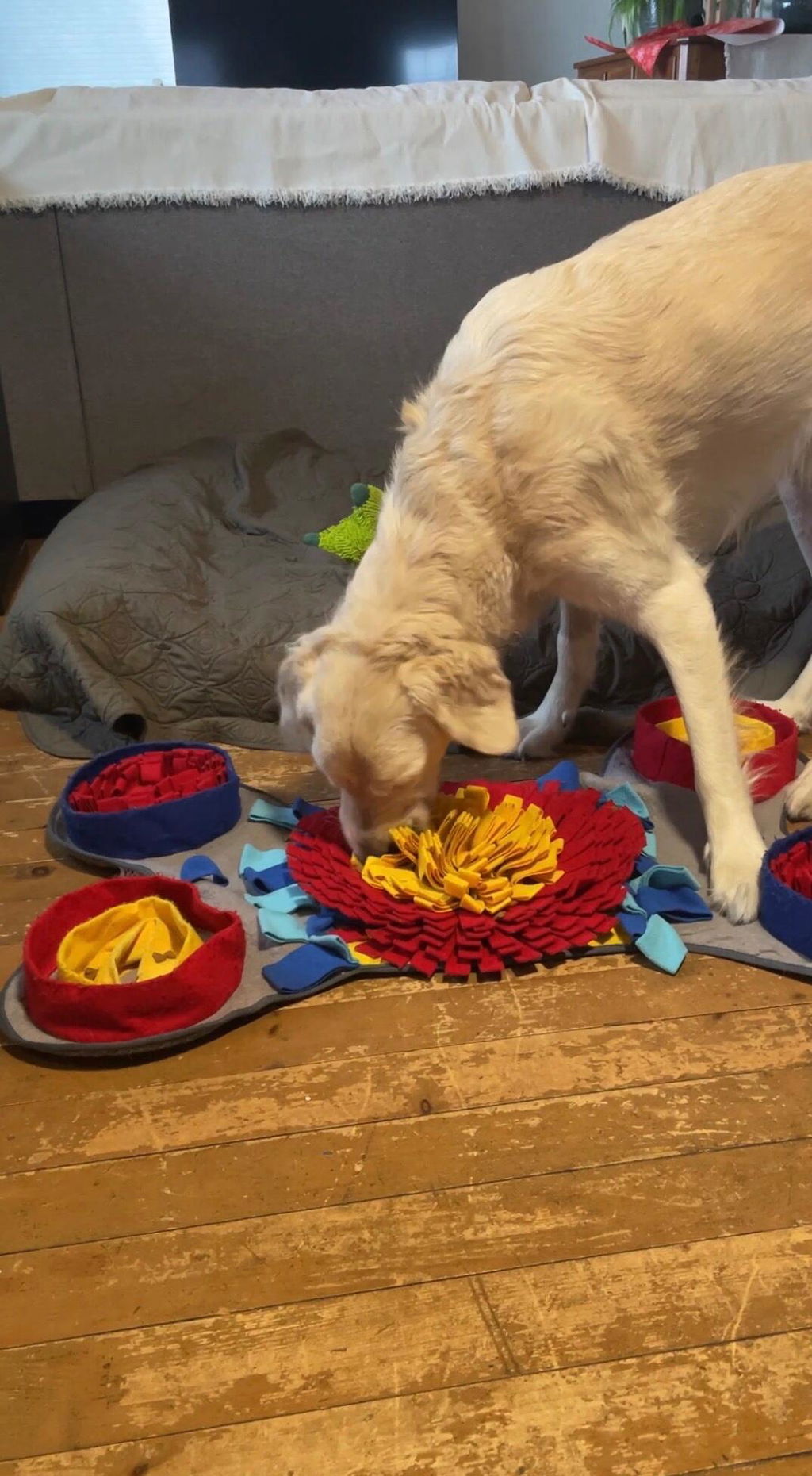
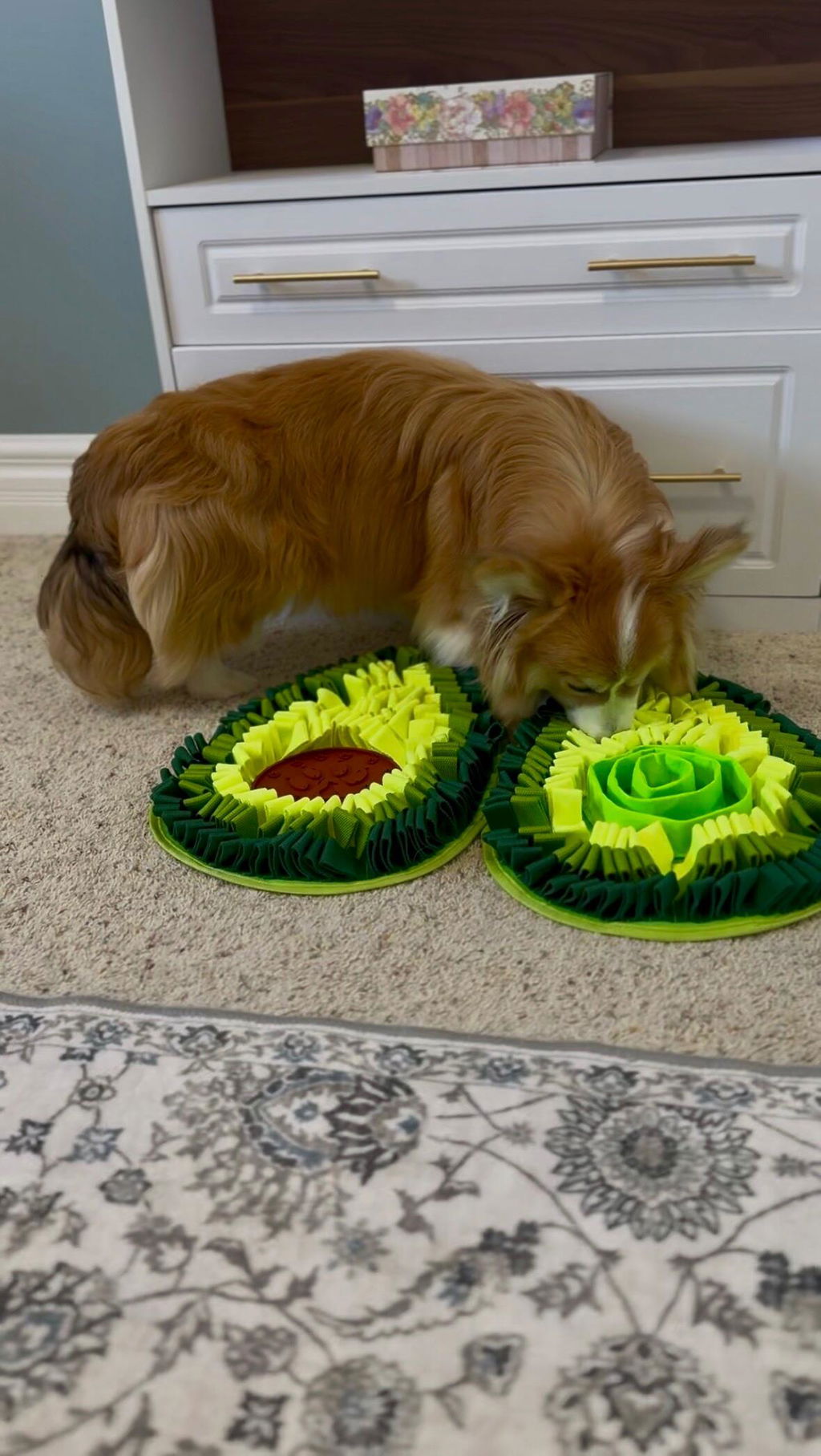
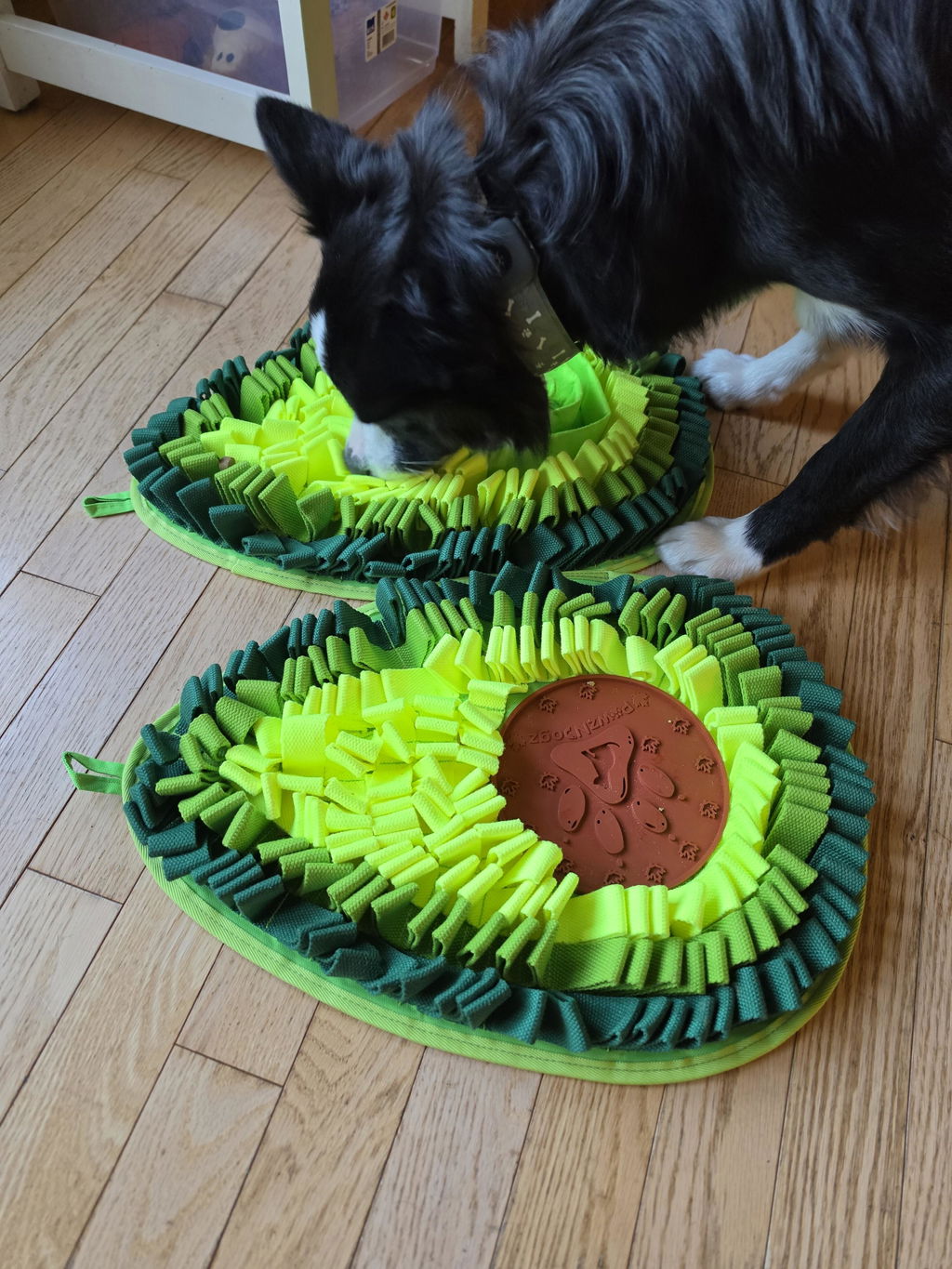
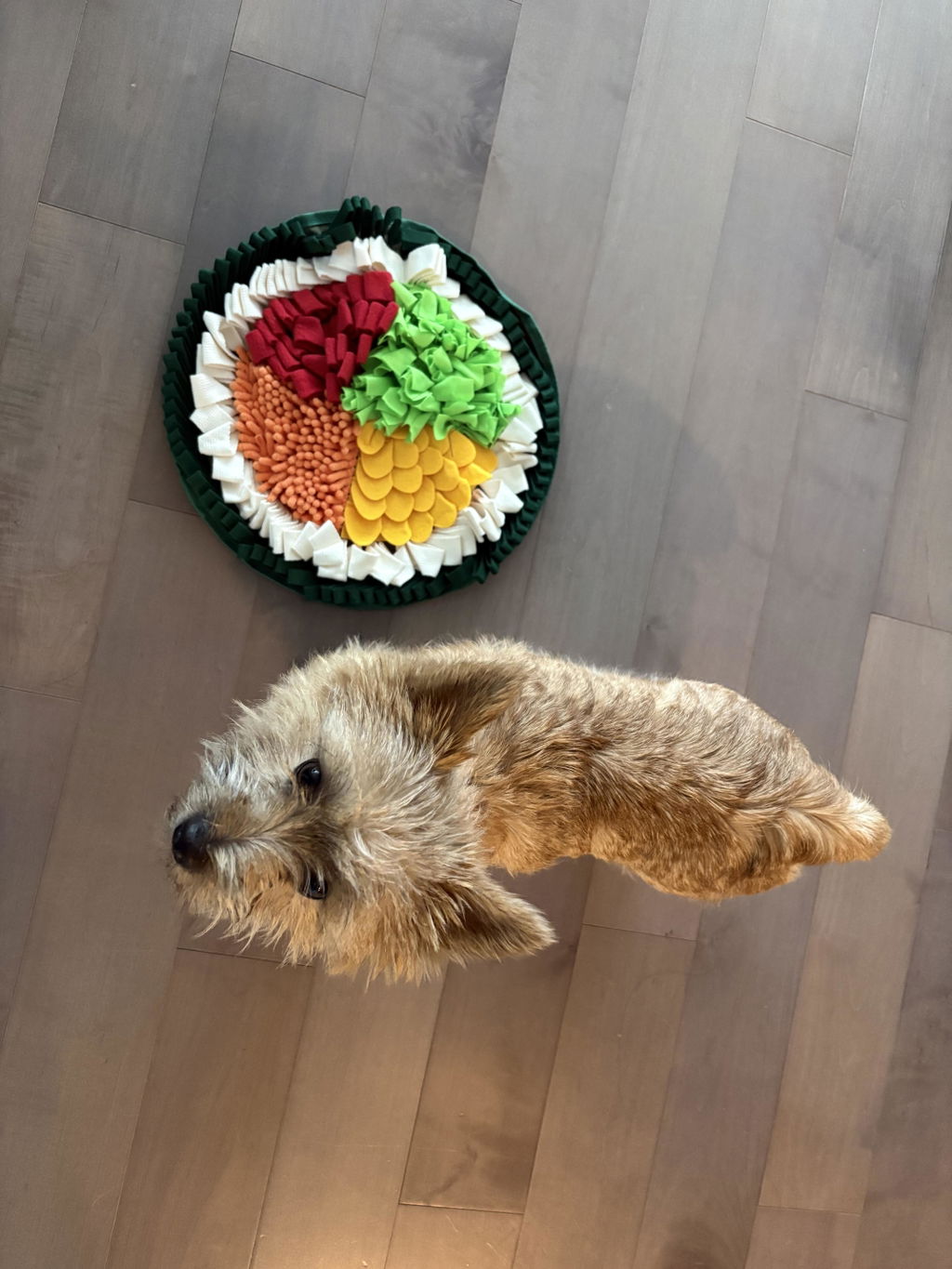
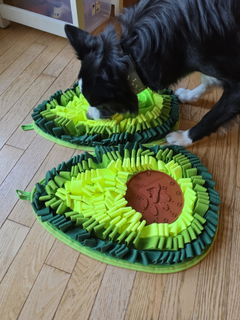
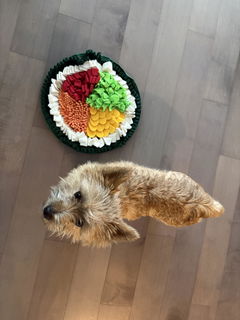
Consider your dog's size, age, and playing style, and select toys that are appropriately sized to reduce the risk of swallowing. If you'd like to incorporate food enrichment, consider the Delicious Avocado™ AntiBite Snuffle Mat. It offers an engaging activity for dogs that enjoy sniffing and exploring. No snuffle mat is indestructible, so supervise your dog and inspect the mat regularly.
Are Non-Food Enrichment Toys Safe for Dogs?
Non-food enrichment toys can be wonderful when used appropriately. Stay nearby while your dog plays, especially when introducing a new toy. A few simple habits can help keep playtime safe.
Choose toys that suit your dog's size, age, and chewing style.
Inspect toys regularly and replace anything damaged.
Rotate toys to maintain interest and reduce excessive wear on individual toys.
Wash soft toys regularly according to the manufacturer's instructions.
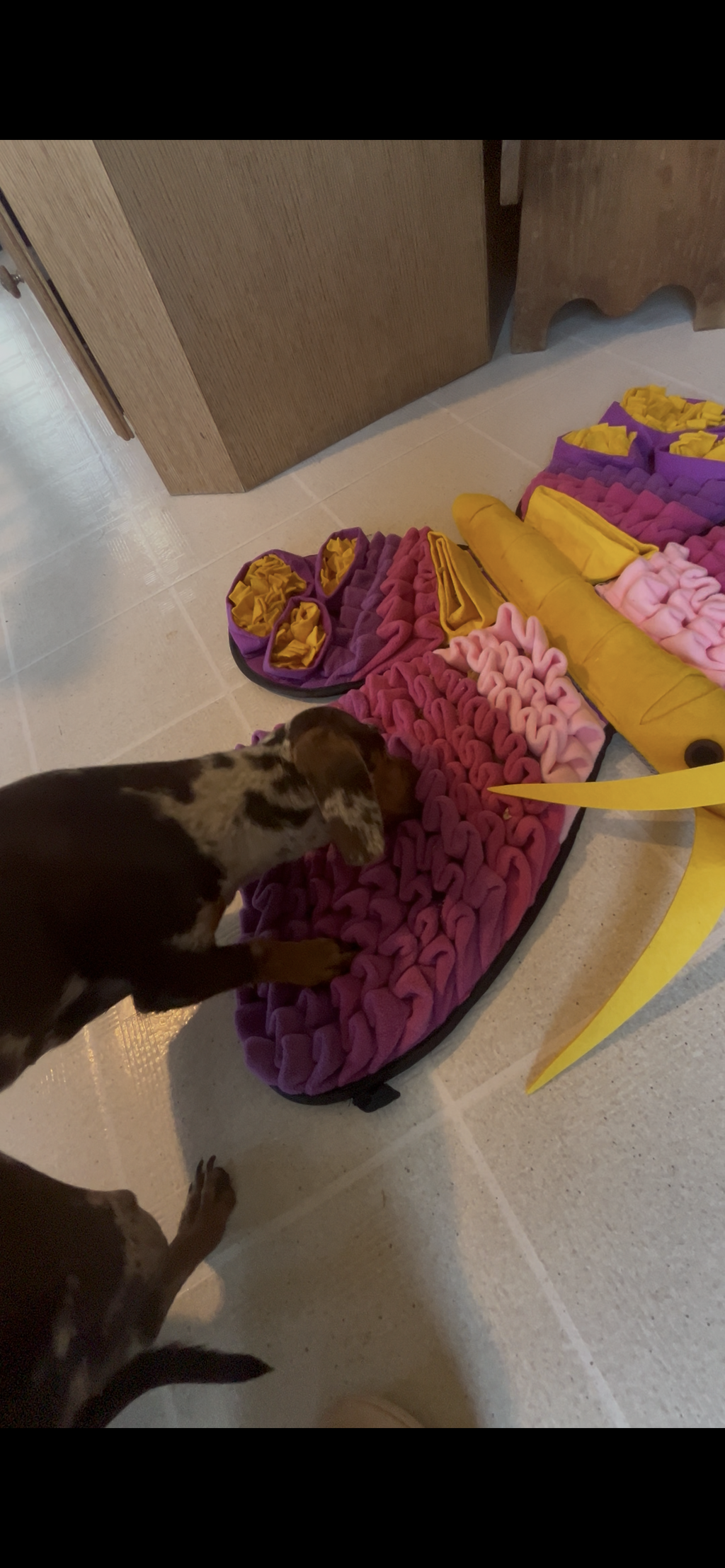
When it's time to wash a snuffle mat, use a mesh laundry bag if recommended by the manufacturer. The Mesh Laundry Bag for Snuffle Mats – XLarge helps protect folds and stitching in the washing machine. Make sure the mat is completely dry before your dog plays with it again. For more tips, see this step-by-step cleaning guide.
Find Your Dog's Next Favourite at PawzNDogz
PawzNDogz is proudly Canadian and woman-owned, with a natural love of enrichment. Its award-winning mats can be found in more than 1,200 stores globally. Looking for dog enrichment toys in Canada? Explore PawzNDogz or take the 5-minute quiz to help match your pup with the right product. Always supervise your dog during enrichment activities.
Conclusion
Walks and cuddles aren't always enough to keep dogs engaged. Choose a suitable chew toy, a sturdy rope, or a homemade cardboard activity that your dog genuinely enjoys. Stay nearby to supervise play, rotate favourite enrichment toys for dogs, and enjoy those wagging tails. The right canine enrichment toys can make playtime even more rewarding.
FAQs
What Are the Best Enrichment Toys for Dogs Without Treats?
Durable chew toys, rope tugs, plush toys, and DIY games such as scent-based hide-and-seek are all useful options. The best choice depends on whether your dog enjoys chewing, chasing, exploring, or cuddling.
How Can I Mentally Stimulate My Dog Without Food?
Try scent games, sniff walks, short training sessions, and rotating toys. Many mental stimulation toys for dogs, including tug and chase toys, encourage engagement without requiring treats.
Which Non-Food Toys Are Suitable for Puppies?
Puppy-appropriate chew toys, durable soft toys, and gentle ropes for light tug are good starting points. Always supervise play and consult your veterinarian about age-appropriate toys and teething needs.
How Frequently Should Dogs Play With Enrichment Toys?
Many dogs benefit from several short play sessions throughout the day, depending on their age, activity level, and health. Focus on quality rather than quantity, and give your dog a break if it becomes tired, frustrated, or overstimulated.